
Exterior Painting Prep Checklist for South Carolina Homes
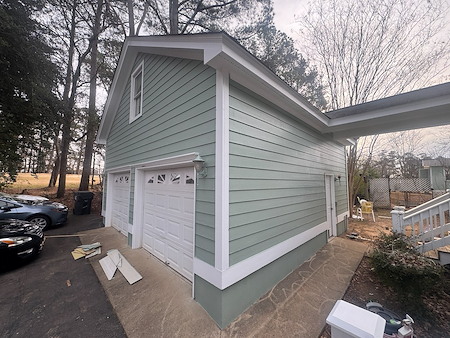
Getting the outside of your home ready for a fresh coat is the key to a long‑lasting finish. This exterior painting prep guide is built for Columbia, SC neighborhoods like Shandon, Rosewood, Forest Acres, Irmo, and West Columbia, where heat, humidity, and sudden showers can test any paint job. If you want a pro team to handle every step, explore our exterior painting service and see how White Elephant Painting manages prep with care.
Why Exterior Painting Prep Matters In Columbia, SC
Our climate brings sticky summers, spring pollen, and frequent afternoon storms. Paint that goes over dirty, glossy, or damp surfaces will fail early. That means peeling, blistering, or mildew that sneaks back fast. For a full overview of exterior painting prep in Columbia, SC, here is what a professional crew confirms before any color hits your siding.
What A Pro Painting Crew Checks First
Before lifting a brush, your crew will walk the property and make a plan. They look for moisture, chalking, hairline cracks, and loose paint. On wood trim, they probe soft spots that hint at hidden rot. On brick and fiber cement, they watch for failing caulk and gaps at windows and doors. This inspection shapes the prep sequence and keeps surprises to a minimum.
- Moisture risks around eaves, fascia, and window sills
- Peeling or alligatoring paint on sun‑baked facades
- Mildew or algae in shaded sides and near landscaping
- Failed caulk lines and open joints letting water in
- Surface texture changes from past spot repairs
Surface Cleaning: Pressure Washing The Right Way
“Pressure washing before exterior painting” is about removing grime, chalk, mildew, and pollen without harming the surface. A pro adjusts pressure and tips for each material, then treats organic growth so it does not bleed back through fresh paint. Thorough rinsing and drying time are just as important as the wash itself.
Allow washed surfaces to dry fully before the next step. In our humid summers, shaded sides and dense trim can stay damp longer than they look. Good crews schedule washing and scraping on different days when humidity is high.
Local tip: Columbia’s afternoon pop‑up storms and high humidity can slow drying between prep steps. Your crew may wash late morning on a breezy day, then return the next day to scrape and prime so every surface is truly dry.
Repair And Protect: Scrape, Sand, Prime Sequence
This is the backbone of reliable prep. The “scrape, sand, prime sequence” gives new paint the best bite. Loose paint is removed to a sound edge, feather‑sanded smooth, then spot‑primed or fully primed depending on the surface. High‑build primers can bridge hairline cracks on old trim. Stain‑blocking primers lock in tannins on bare wood and help prevent discoloration.
Do not paint over damp wood or dust‑covered siding. Solid adhesion needs clean, dry, and dull surfaces. Where wood is soft or punky, a pro will discuss repairs first so the finish is not put over a failing base.
Seal It Up: When To Caulk Before Painting
“When to caulk before painting” depends on the surface and joint design. After sanding and priming bare spots, painters apply flexible, paintable sealant to active joints around windows, doors, trim returns, and small siding gaps. Caulk goes on clean, dry, primed surfaces so it bonds well and cures properly. On brick, selective caulking keeps water out without sealing essential weep paths.
Avoid caulking weep holes or designed drainage gaps. Those openings help walls shed water. A skilled painter knows what to seal and what to leave open for ventilation and drainage.
Timing Around South Carolina Weather
Heat, humidity, and rain windows are the big three in the Midlands. Painters plan washing, scraping, priming, and finish coats to land in favorable temperature and dryness ranges. Morning shade can help with application on east and south faces, while late‑day sun often dries freshly cleaned areas faster than expected. After heavy pollen bursts, washing before priming is essential so particles do not weaken the bond.
After rain, crews wait until visible moisture is gone and hidden moisture has time to evaporate from joints and trim. That extra patience pays off in adhesion and sheen uniformity, especially on handrails, fascia, and window sills that hold water.
Materials And Surfaces Around Columbia Homes
Our area mixes brick, fiber cement (like Hardie), vinyl accents, stucco, and classic wood siding and trim. Each material gets a tuned approach:
- Brick: Gentle cleaning, alkaline‑aware primers if painted, and selective caulking to keep drainage working.
- Fiber cement: Thorough wash, dulling glossy areas, and high‑quality caulk at butt joints or trim transitions.
- Wood siding and trim: Detailed scraping, sanding, spot priming, and rot repairs before finish coats.
- Stucco: Cleaning, crack repair with compatible patch, and elastomeric or masonry primers where appropriate.
Sun‑faded west and south elevations in Lexington and around Lake Murray often show extra chalking. Shadier sides in Forest Acres may harbor mildew longer. A careful prep plan treats each side of the home like a different project.
What You Can Do Before The Crew Arrives
You do not need to tackle any painting tasks. Still, a few simple preparations make the job smoother and faster for everyone:
- Clear patio furniture, grills, and decor away from walls and railings.
- Trim shrubs or tie them back so painters can reach lower siding and trim.
- Unlock gates and keep pets indoors on prep and paint days.
- Turn off sprinklers and plan parking to keep driveways open for the crew.
- Choose colors and finishes in advance and confirm sheen levels with your project lead.
For seasonal reminders and how pros plan their week, skim our local notes on painter tips before the project kicks off.
Project Day Flow: What To Expect From Start To Finish
Most exterior projects follow a rhythm. First is protection: drop cloths, plant shielding, and careful masking near windows and doors. Next comes cleaning and drying time. Then repairs, the scrape, sand, prime sequence, and caulking. Once everything is sound and sealed, the crew applies finish coats in consistent passes, working from top to bottom and sun to shade. Final touch‑ups and a tidy site wrap it up.
Address wood rot before painting. Paint is a coating, not a structural repair. A quality painting company will flag any areas that need carpentry fixes so you make the right call before color goes on.
Color, Sheen, And Curb Appeal In The Midlands
Depth of color and sheen play differently in strong Carolina light. Dark body colors absorb more heat and can stress old coatings if the underlayers are weak. Many homeowners in Shandon and Rosewood pick soft, classic hues for siding with crisp semi‑gloss on trim and doors for wipe‑clean durability. On masonry, neutral palettes paired with bold front doors look sharp and stay timeless.
Discuss sheen on handrails, columns, and porch ceilings with your crew lead. Higher sheens resist fingerprints and moisture better in those high‑touch, high‑humidity spots.
How White Elephant Painting Handles Exterior Painting Prep
Our team follows a clear plan so your project runs smoothly and the finish lasts. We start with a full perimeter walk, note areas that need special attention, and set a weather‑smart schedule. From there, every step builds a better base for paint: targeted washing, careful scraping, sanding for a smooth edge, spot priming where needed, and clean, flexible caulk at joints that move.
Communication matters as much as craftsmanship. You will know what is happening each day, what areas to avoid while coatings cure, and when final touch‑ups will happen. If you want a deeper look at our process, see our house painting team’s approach and how we protect landscaping, hardscapes, and fixtures while we work.
Exterior Painting Prep Checklist You Can Trust
Here is the high‑level checklist pros in Columbia follow to beat heat, humidity, and sudden showers:
- Property walk to mark problem areas and plan weather windows.
- Wash to remove dirt, chalk, mildew, and pollen with the right pressure and cleaners for each surface.
- Dry‑time buffer, especially on shaded sides and detailed trim.
- Repairs and the scrape, sand, prime sequence tailored to each substrate.
- Selective, flexible caulking on active joints after priming bare spots.
- Finish coats within the recommended temperature and humidity range.
- Final detail pass, site cleanup, and homeowner walkthrough.
If you want these steps handled start to finish, our exterior painting service keeps everything on one schedule with a single point of contact.
Timing Your Project For The Best Results
Spring and fall often bring the most forgiving conditions. Summer projects can succeed too with smart scheduling, shade strategy, and extra drying windows. After a major rain, patient crews let trim and joints release hidden moisture before priming. When pollen is heavy, a quick re‑wash before primer can make all the difference in adhesion and sheen uniformity.
If you live in Irmo, Lexington, or near Lake Murray, wind off the water can speed drying but also push dust onto fresh coatings. Your crew will plan masking and timing to keep surfaces clean as each coat flashes off.
Ready To Protect Your Home’s Exterior?
When you hire White Elephant Painting, you get a prep‑first mindset and clear communication from start to finish. To get started, call 803-403-3023 or book a visit. We will walk your property, explain what we see, and schedule around Columbia’s weather so your finish looks great and lasts.
If you are planning now, explore our process and scheduling options on the house painter service page. We look forward to helping you refresh your curb appeal the right way.